AI is becoming cheaper, more capable, and harder to ignore, especially in countries like Pakistan where it can widen access to skills and support. The article weighs those benefits against risks such as misinformation, cyber misuse, dependence, job disruption, and rising infrastructure costs.
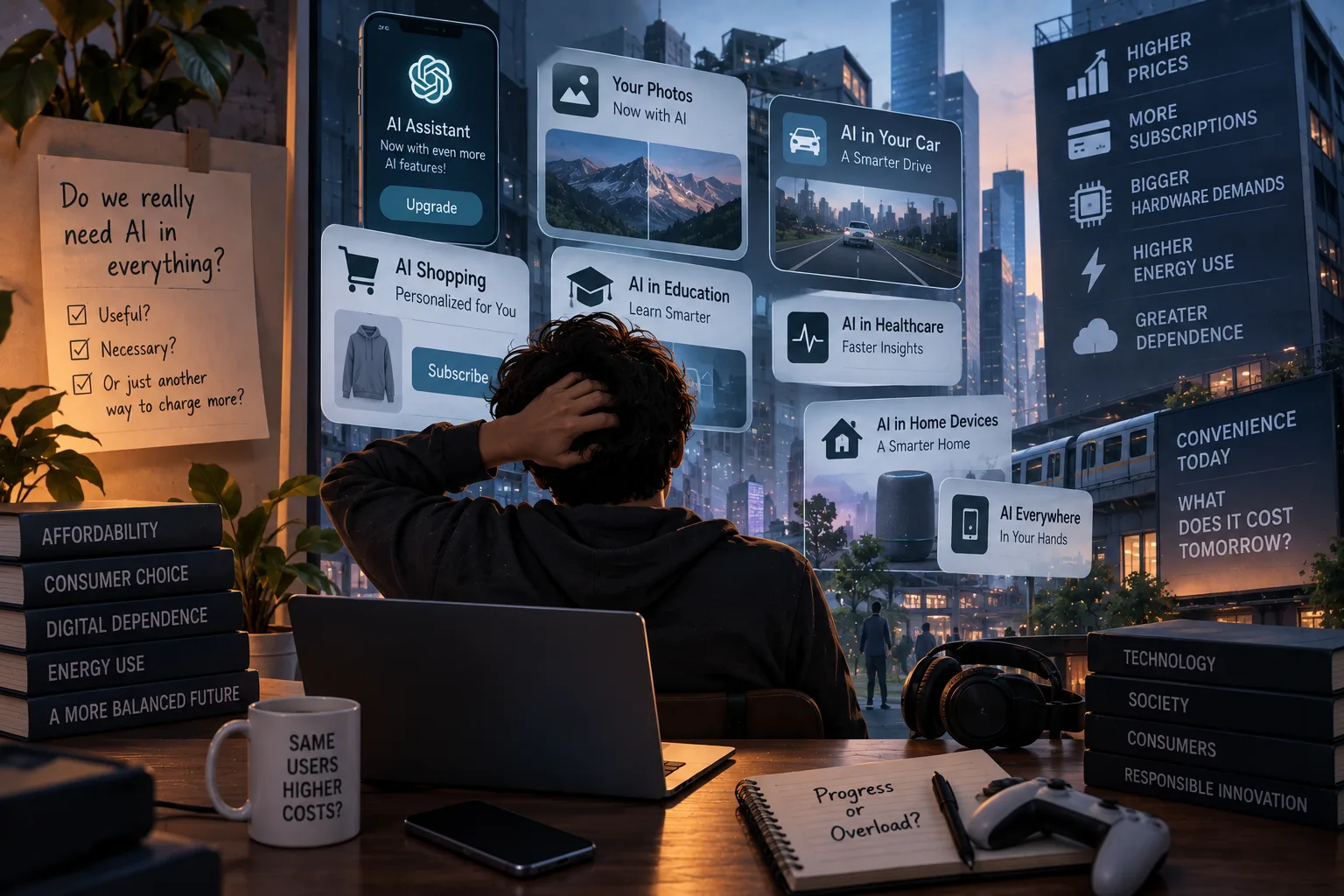
AI is being added to more everyday products and services, bringing higher prices, subscriptions, hardware demands, energy use, and greater cloud dependence. The article questions whether all of this AI is necessary and argues that progress should improve technology without reducing user choice.
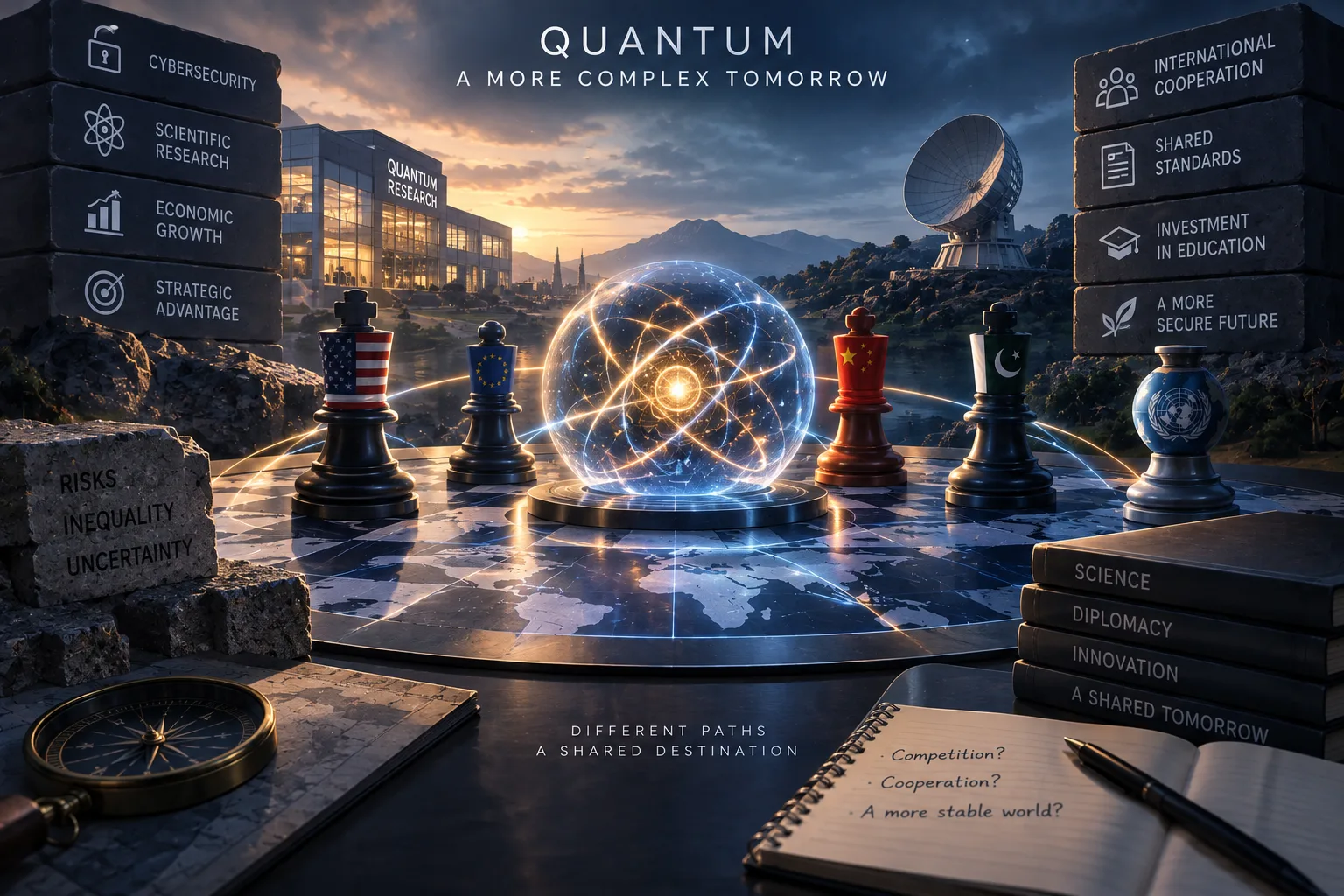
Quantum computing could transform cybersecurity, scientific research, economic competition, and the balance of technological power between countries. The article examines the risks of a growing quantum divide while arguing that international cooperation, shared standards, and investment in education will be important alongside competition.
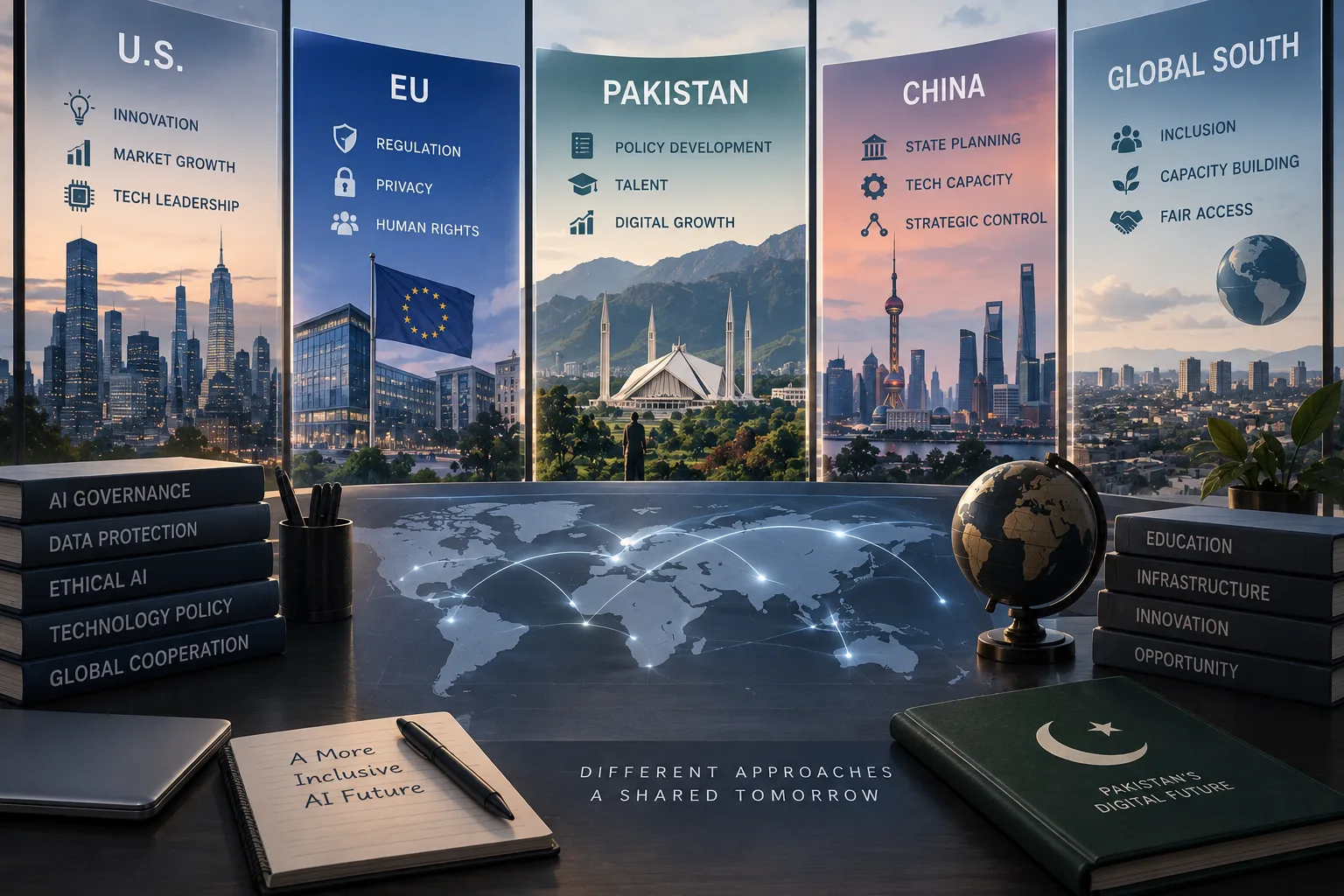
Countries are developing different approaches to governing artificial intelligence, creating a growing divide over privacy, transparency, innovation, and state control. The article explores where Pakistan could fit within this changing landscape as it develops its own AI policies, digital laws, and technological capabilities.